Environmental Graphics in Boston: A Printer’s Guide

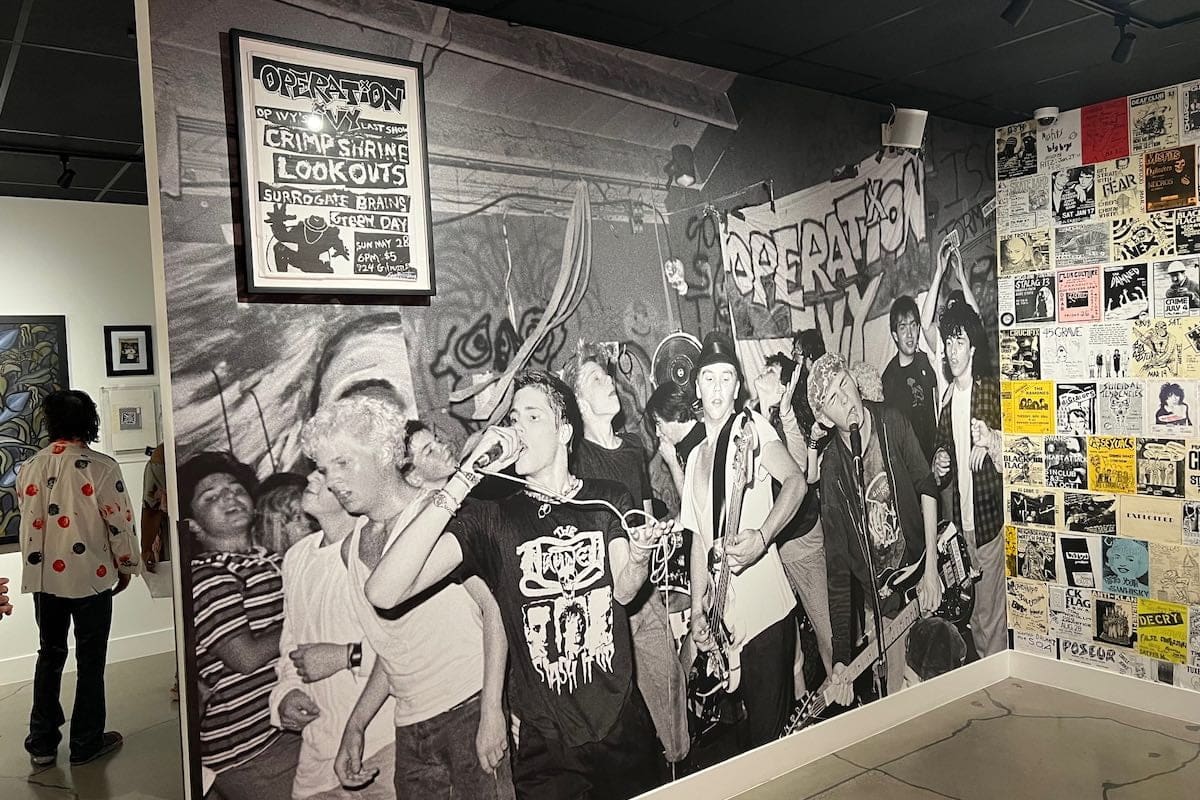
Environmental graphics are the large-format visuals that turn a physical space into a branded experience: wall murals, printed wallcoverings, window and floor graphics, dimensional fabric displays, and the wayfinding that guides people through a building. For Boston retailers, hospitality groups, healthcare campuses, museums, and corporate offices, they are one of the few marketing investments a customer literally walks inside. Albert Basse Associates has been producing them since 1928, when founder Albert Basse Sr. started the company as a window-display decorating shop dressing storefronts along the East Coast. This guide explains what environmental graphics are, how they influence behavior, the formats a commercial printer can produce, and how to plan a project that survives real-world wear.
Key Takeaways
- Environmental graphics connect people to place. The Society for Experiential Graphic Design defines the discipline as designing experiences that connect people to place, spanning wayfinding, placemaking, and branded environments.
- They shape decisions where they happen. Point of Purchase Advertising International research found 76% of shopping decisions are made in-store, rising to 82% of purchase decisions among mass-merchant shoppers.
- Good wayfinding pays for itself. A 2025 peer-reviewed study of 301 hospital staff found each person spent about 30 minutes a week helping others navigate, and nearly 44% faced incivility from frustrated visitors.
- Materials and print method decide longevity. Substrate, ink, and lamination choices separate a graphic that lasts three years outdoors from one that fails in months.
- Plan around the space, not just the file. A site survey, proofed color, and professional installation matter as much as the artwork.
What are environmental graphics?
Environmental graphics are visual communication applied to the built environment, and the field’s naming body describes its purpose plainly: the Society for Experiential Graphic Design (SEGD) says “we are designers of experiences connecting people to place,” and notes that for over fifty years it has been the resource for wayfinding, placemaking, and experience design. In practice, that means any graphic integrated into a space rather than handed to a person: a mural across a lobby wall, a storefront window wrap, a floor decal steering foot traffic, a tension-fabric backdrop in a showroom, or a directory that helps a visitor find the right suite.
The term covers a wide range because spaces do. A hospital needs calm, legible wayfinding. A flagship retailer needs immersive brand storytelling. A corporate headquarters needs its mission and values made visible to employees and recruits. What unites them is that the graphic is part of the architecture, printed at scale, and expected to perform under daily use. That is a different problem from a brochure, and it is why environmental graphics live with a large-format commercial printer rather than a copy shop.
How do environmental graphics change how people behave in a space?
They influence the decisions that happen inside the room, which is most of them. Point of Purchase Advertising International (POPAI, now the Shop! Association) reported in its 2012 Shopper Engagement Study that “the portion of shopping decisions made in-store has hit an all-time high of 76%,” and its 2014 mass-merchant research, based on nearly 3,000 shoppers, found that 82 percent of mass-merchant purchase decisions are made in the store. When most of the choice happens on-site, the graphics on the walls, windows, and floors are not decoration. They are the last and often loudest message before a decision.
That is the practical case for treating a space as a communication channel. Retail display graphics and point-of-purchase pieces direct attention to a promotion or a hero product. Window graphics convert passing traffic into entering traffic. Branded interiors give employees and visitors a consistent sense of who a company is. Albert Basse produces this full range of in-store and in-space graphics, and you can see how the pieces fit together in our guide to retail display graphics in Boston. The point is not more signage. It is the right message in the spot where the audience is already paying attention.
By the numbers
Where decisions get made, and what bad wayfinding costs
Environmental graphics work on the two things a building controls: the choice made at the shelf, and how easily a visitor finds the room they came for.
76%
of shopping decisions are made in-store
POPAI 2012 Shopper Engagement Study
82%
of purchase decisions among mass-merchant shoppers
POPAI 2014 mass-merchant study, ~3,000 shoppers
30 min
per week each hospital staff member spends helping visitors navigate
HERD journal, 2025, 301 US hospital staff
What types of environmental graphics can a commercial printer produce?
The global large format printer market is projected to grow from USD 7.94 billion in 2025 to USD 10.36 billion by 2030 at a 5.5% compound annual growth rate, according to MarketsandMarkets, and that growth reflects how many surfaces businesses now treat as brandable. A capable commercial printer turns most of them into finished graphics:
- Wall murals and printed wallcoverings. Full-wall imagery that transforms lobbies, restaurants, hotels, and clinics. Albert Basse is a member of the DreamScape Print Provider Network, printing on commercial-grade wallcovering media that can be applied as a temporary or permanent surface. See our wall coverings capabilities and our Boston wall coverings guide for material detail.
- Window and floor graphics. Storefront window wraps, frosted privacy films, and durable floor and window decals that direct traffic or mark distancing and safety zones.
- Dimensional and fabric displays. Silicone Edge Graphics (SEG) and tension-fabric systems that create backlit walls, hanging structures, and room dividers. As an authorized Matrix Frame dealer, Albert Basse builds fabric and SEG displays for retail, corporate, museum, and education environments.
- Wayfinding and identity signage. Directories, directional panels, door and suite identification, and donor or recognition walls.
- Retail and event environments. Point-of-purchase displays, trade-show booth graphics, and pop-up brand activations that assemble into a coherent space.
The value of a single-source printer is that these formats share color, artwork, and finishing standards, so a mural, a window graphic, and a directional panel in the same building actually match.
How do wayfinding graphics reduce friction in complex buildings?
Poor wayfinding is a measurable operational cost, not just an annoyance. A 2025 peer-reviewed study in the journal HERD (Health Environments Research and Design), which surveyed 301 US hospital staff, found that each staff member spent about 30 minutes a week helping other people navigate, and that nearly 44% had experienced incivility from users who were frustrated by wayfinding problems. The five hardest locations to find were the cafeteria, restrooms, elevators, exits, and the main lobby. Multiply thirty minutes a week across a large staff and the lost time alone justifies a real wayfinding program.
Environmental graphics solve this by making a building legible: consistent directional panels at decision points, clear floor identification, color-coded zones, and directories that match the terms visitors actually use. The same logic applies well beyond healthcare, to universities, museums, corporate campuses, and multi-tenant retail. Good wayfinding lowers staff interruptions, reduces missed appointments, and leaves visitors with a calmer first impression, which is itself a brand outcome.
What materials and printing methods make environmental graphics last?
Durability is decided before a graphic ever hits the wall, in the choice of substrate, ink, and lamination. Albert Basse prints on a wide range of substrates for both indoor and outdoor use on equipment including a Durst P5 350/HS, a hybrid roll and board press that runs media up to 3.5 meters wide at production speeds up to 7,620 square feet per hour, alongside a SwissQprint Nyala 4 flatbed. The right pairing of media and protective laminate is what separates a floor graphic that survives heavy traffic from one that scuffs in weeks, or a window film that holds color for years from one that fades by the next season.
Sustainability is now part of that specification conversation. The FESPA Print Census 2025, which surveyed 774 companies across 89 countries, found that 92% of respondents consider sustainability important for their business, though only 40% have made it a strategic priority. That gap is an opportunity for buyers: recyclable substrates, low-waste production, and reusable display hardware such as SEG frames let a brand refresh a space without discarding the structure. Albert Basse uses eco-friendly materials and follows responsible waste-management practices in its digital printing process, so a sustainability goal and a durability goal do not have to compete.
How do you plan an environmental graphics project in Boston?
Start with the space, then the file. The strongest projects begin with a site survey to capture exact dimensions, wall texture, lighting, and traffic patterns, because a mural that looks perfect on screen can fail against a cinderblock wall or a sun-flooded window. From there the sequence is straightforward: confirm production-ready artwork in prepress and design, proof color on the actual media, produce, apply the finishing the application needs, and schedule professional installation so seams, alignment, and bubbles are handled by people who mount large-format graphics every day.
Working with a local New England printer shortens that loop. Albert Basse produces everything in its own plant in Stoughton, Massachusetts, just south of Boston, which makes press checks, facility walkthroughs, and coordinated Boston-area installs practical rather than a shipping exercise. Four generations of family ownership and nearly a century of experience mean the team has produced environmental graphics for retail, hospitality, healthcare, museum, education, and corporate clients across the region. When you are ready to scope a project, contact the Albert Basse team to arrange a walkthrough or request a quote.
Frequently Asked Questions About Environmental Graphics
What is the difference between environmental graphics and signage?
Signage is one element of environmental graphics. Environmental graphics is the broader discipline of using visuals to shape an entire space, including murals, wallcoverings, window and floor graphics, dimensional displays, and wayfinding. Traditional signage usually refers to individual identity or directional pieces. In short, most signage is environmental graphics, but environmental graphics also include full-surface and immersive treatments that a single sign does not cover.
How long do environmental graphics last?
It depends on the material, the environment, and the lamination. Interior wall murals and printed wallcoverings can last for years, while high-traffic floor graphics and exterior window films have shorter service lives that the right protective laminate can extend. The durable outcome comes from matching the substrate and finish to where the graphic lives, which is why substrate selection is part of the quoting conversation rather than an afterthought.
Can environmental graphics be removed or updated later?
Yes. Many wallcovering and window products are engineered as temporary or repositionable, so a retailer can refresh a seasonal campaign or a corporate office can update messaging without damaging the underlying surface. Reusable display systems such as SEG tension-fabric frames make updates even simpler, because you reprint the graphic and keep the hardware.
What files and information does a printer need to start?
A printer needs production-ready vector or high-resolution artwork, the exact finished dimensions, the substrate or application surface, and the installation environment (indoor or outdoor, wall texture, lighting). A prepress and design team can prepare or correct files, but the more accurate the measurements and site details, the closer the first proof will be to the finished install.
Environmental graphics are how a brand shows up in the physical world, and getting them right is a production discipline as much as a design one. Ground the project in real measurements, choose materials for the environment, and work with a printer that can carry a program from wall mural to wayfinding without losing color or quality along the way. If you have a Boston-area space to scope, send Albert Basse the room dimensions, the surfaces you want printed, and a photo of each wall, and ask for a site survey: call (781) 344-3555 or request a quote.