What Are Digital Printing Services and How Do They Work?

Digital printing services have transformed how businesses produce printed materials by offering faster turnarounds, high quality, and flexible customization. Using digital print technology, providers print directly from files without plates, delivering vibrant color and fine detail across many substrates. This article outlines how digital printing works, its benefits, and common business uses.
How Does Digital Printing Technology Work?
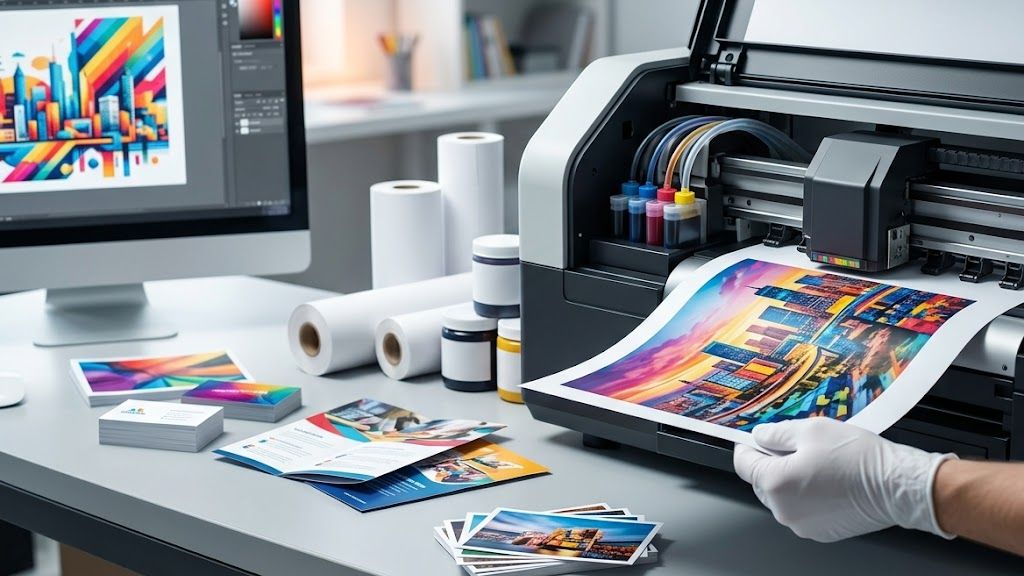
Digital printing transfers images from a prepared file directly to substrates such as paper, fabric, or plastic. Production typically includes file prep, printing (inkjet, laser, or UV), then finishing—cutting, laminating, or binding. The streamlined workflow reduces setup time and makes small runs cost-effective.
What Are the Main Digital Printing Techniques Used Today?
The main methods are:
- Inkjet Printing: Tiny ink droplets create high-quality photo prints.
- Laser Printing: Toner and heat for sharp text and graphics.
- UV Printing: Ink cured with ultraviolet light for vivid color on varied materials.
Each method suits different quality, speed, and substrate needs.
Which Materials and Substrates Can Be Digitally Printed?
Digital printing supports a wide range of materials, such as:
- Vinyl: Durable, weather-resistant banners and signage.
- Fabric: Apparel and soft signage with vibrant prints.
- Foamboard: Lightweight, sturdy displays and presentations.
This versatility makes digital printing useful across many applications.
What Are the Benefits of Digital Printing for Businesses?
Digital printing offers clear business advantages, including:
- Cost Savings: Lower setup costs for short runs.
- Speed of Production: Faster turnaround to meet tight schedules.
- Customization Options: Personalization for targeted campaigns.
These benefits explain why companies increasingly choose digital print for marketing and operational materials.
| Benefit | Description | Impact Level |
|---|---|---|
| Cost Savings | Reduces setup costs for small runs | High |
| Speed of Production | Quick turnaround times | High |
| Customization Options | Personalized marketing materials | Medium |
Apply these advantages to improve campaign agility and customer engagement.
How Does Digital Printing Enable Custom Print Solutions?
Digital printing makes it simple to produce personalized brochures, business cards, and promotional items that match brand guidelines. Updates and small revisions are fast, so designs can be refreshed to reflect current offers or trends.
Why Is Digital Print Quality Important for Marketing Materials?
Print quality influences customer perception and brand trust. High-resolution images and accurate color reproduction increase attention and perceived value; poor output can harm impressions. Investing in quality digital printing sustains a professional brand image.
Research has examined ways to improve the quality and performance of digital prints, particularly the papers used in high-end production.
Improving Quality and Performance of Digital Prints
This study identifies constraints and potential solutions to improve the performance and quality of digitally printed papers. The target market is high-end digital production in the U.S.
An investigation into papers for digital printing, 2006
What Are Common Applications of Digital Printing Services?
Common applications include:
- Marketing Materials: Flyers, brochures, and posters.
- Point of Sale Displays: Retail displays that attract customers.
- Signage: Informational and directional signs.
These uses help businesses promote products and improve customer experience.
How Is Large Format Printing Used in Signage Services?
Large format printing produces oversized prints for banners, backdrops, and event signage. It’s ideal for retail displays, trade shows, and events where visibility and impact matter.
- Retail Displays: Create attention-grabbing visuals.
- Trade Show Graphics: Large banners and backdrops for brand visibility.
- Event Signage: Clear information for attendees.
Which Industries Benefit Most from Digital Printing Solutions?
Key sectors include:
- Retail: Promotions and in-store graphics.
- Hospitality: Menus, signage, and branded items.
- Healthcare: Patient information and wayfinding signs.
These industries use digital printing to enhance marketing and operations.
How Can Businesses Choose the Right Digital Printing Service?
Evaluate providers by:
- Service Offerings: Verify they handle your required substrates and finishes.
- Quality of Work: Review samples for color accuracy and resolution.
- Pricing Considerations: Compare quotes while considering turnaround and quality.
Balancing these factors helps you find a suitable partner.
What Factors Affect Turnaround Time and Pricing?
Primary drivers include project complexity, order volume, and material choices. Complex designs, specialty substrates, or tight deadlines can raise costs or extend production time.
How Do Environmental and Sustainability Trends Influence Digital Printing?
Trends include increased use of eco-friendly substrates and inks, growing customer demand for sustainable practices, and integration of these choices into corporate responsibility strategies. These changes benefit the environment and brand reputation.
Want to see our products? View our product catalog for details.
Frequently Asked Questions
What is the difference between digital printing and traditional printing methods?
Digital printing prints directly from files and avoids plate setup, making it faster and cheaper for short runs. Traditional methods like offset require plates and are more cost-effective for very large quantities.
Can digital printing be used for large-scale projects?
Yes. Modern large format digital printers handle large campaigns and event graphics while maintaining quality, though offset may still be chosen for very high-volume runs.
What are the limitations of digital printing?
Limitations include higher per-unit cost on very large runs, fewer options for some specialty inks or finishes, and a narrower range of compatible substrates versus some traditional methods.
How does digital printing support personalization in marketing?
Digital printing enables variable data and personalized content—tailored images, text, or offers—so each recipient can receive a customized printed piece.
What role does color accuracy play in digital printing?
Color accuracy is crucial for brand consistency. Use printers with advanced color management and request proofs to ensure faithful reproduction.
Are there specific maintenance requirements for digital printing equipment?
Yes. Routine tasks like cleaning print heads, calibrating color, and checking ink levels keep machines reliable and preserve print quality.
How can businesses measure the success of their digital printing campaigns?
Measure response and conversion rates, track engagement tied to printed pieces, compare sales pre- and post-campaign, and collect customer feedback to evaluate impact.
Conclusion
Digital printing provides cost-effective, high-quality, and customizable print solutions that support marketing and brand consistency. Its speed and flexibility make it a practical choice for targeted campaigns and fast updates. Contact us at Albert Basse Associates, Inc to explore our digital printing services to find options that match your needs and budget.