How Can Retail Signage Printing Improve In-Store Wayfinding and Customer Experience?

Signage does more than label aisles — it shapes how people move, shop, and feel. This article explains how retail signage printing and smart wayfinding make navigation effortless, reduce shopper frustration, and boost sales. In large stores customers can feel lost, which hurts conversion; well‑placed, on‑brand signs create an intuitive path while reinforcing identity. We define in‑store wayfinding, outline useful graphics, and offer practical guidance for implementation.
What Is In-Store Wayfinding Signage and Why Does It Matter?
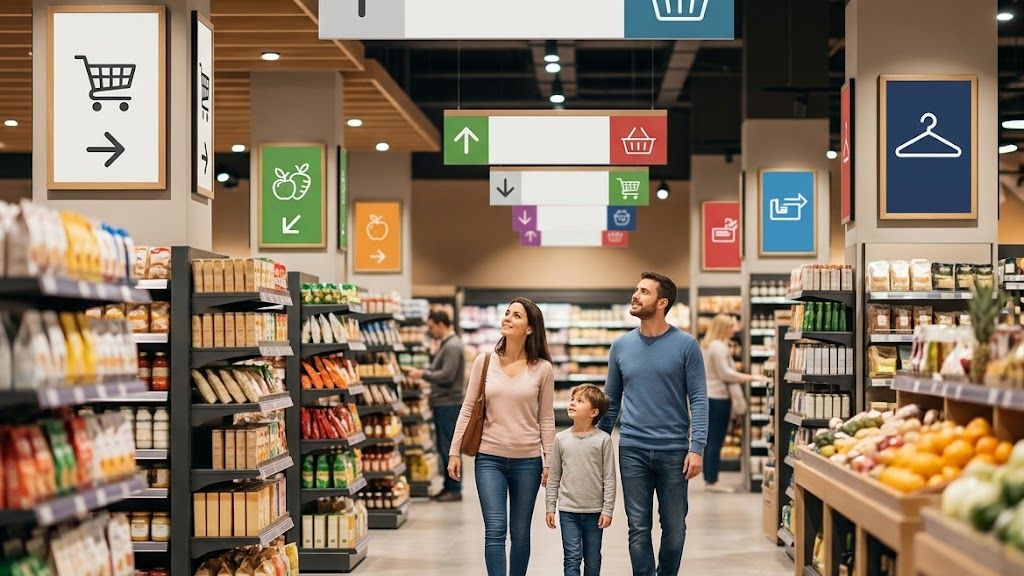
In‑store wayfinding includes signs, graphics, and visual cues that help shoppers move through a retail space. These point customers to departments, highlight products, and clarify layout. Clear wayfinding reduces confusion, speeds up shopping, and increases product discovery and impulse purchases.
How Does Wayfinding Signage Enhance Customer Navigation in Retail?
Good wayfinding makes a store legible at a glance by placing the right information where shoppers expect it, cutting search time and frustration. Poor signage can cause abandoned trips or missed sales, while effective signs can noticeably increase traffic. Directional cues and focal signs guide flow so customers find items quickly and enjoy a smoother visit.
What Types of Custom Indoor Graphics Support Effective Wayfinding?
Several custom graphics work together to support wayfinding:
- Directional Signs: Bold, simple signs that point to departments, restrooms, checkout, and exits.
- Informational Graphics: Panels that communicate hours, promotions, or policies so shoppers decide quickly.
- Point-of-Purchase Displays: Displays placed near products that inform and encourage impulse buys.
Combined with intentional placement, these elements create a cohesive experience that helps shoppers move confidently through the store.
Which Retail Signage Design Solutions Best Improve Customer Experience?
Design that improves experience follows practical principles:
- Legibility: Use readable typefaces, appropriate sizes, and high-contrast colors so messages are clear from a distance.
- Branding Consistency: Apply brand colors, icons, and tone across signs to reinforce recognition and trust.
- Interactive Elements: Digital displays, QR codes, or touchpoints provide additional information and engagement.
Readable, on‑brand, and selectively interactive signs make the store more welcoming and easier to explore.
How Does Custom Store Directional Signage Strengthen Brand Consistency?
Custom directional signage connects navigation to your brand story. Consistent colors, symbols, and messaging form a visual language that helps customers recognize and trust your stores, improving recall and encouraging repeat visits. Small design details—a signature icon or a distinct copy tone—can elevate the experience and build loyalty.
What Are Effective Customer Experience Signage Strategies for Retail Spaces?
Practical strategies include:
- Placement: Install signs at entrances, intersections, and sightlines where customers naturally look.
- Clarity: Keep layouts simple and messages short so information is absorbed instantly.
- Regular Updates: Refresh promotional and informational signs so content stays relevant.
These steps help customers stay longer, explore more, and convert at higher rates.
What Are the Best Materials and Printing Options for Retail Signage?
Material and printing choices balance durability and visual impact. Common options include:
| Material | Durability | Use Cases |
|---|---|---|
| Vinyl | High | Indoor and outdoor use |
| Rigid substrates | Medium | Permanent fixtures |
| Fabric | Low | Temporary events |
Choose substrates that withstand traffic while keeping a sharp appearance. For high‑impact, long‑lasting products, consider providers like Albert Basse’s product offerings.
How Do Material Choices Affect Longevity and Visual Impact of Point of Sale Signage?
Material selection affects appearance and lifespan: vinyl is durable and resists wear, while fabric offers texture and visual appeal but may require more frequent replacement. Match material to use case, budget, and desired longevity to balance cost and brand impact.
How Can Retailers Request and Implement Customized Signage Solutions?
Begin by mapping desired outcomes and build a plan around those goals. Typical steps include:
- Identifying Objectives: Decide if signage is for navigation, brand reinforcement, or promotions.
- Consulting with Experts: Work with designers and printers who can propose practical, on‑brand solutions via a consultation.
- Pilot Testing: Run a small pilot to validate placement and messaging before a full rollout.
These steps help ensure signage meets operational needs and brand goals.
What Is the Process to Request Custom Indoor Graphics and Directional Signs?
Requesting custom graphics typically follows a repeatable process:
- Initial Consultation: Discuss layout, objectives, and brand guidelines with a signage provider.
- Design Approval: Review mockups that reflect your branding and wayfinding goals, then approve final art.
- Production: After approval, production begins—most custom jobs take about 4–6 weeks to complete.
This structured approach keeps projects organized and ensures finished signs match brand and operational needs.
How Should Retail Signage Be Installed and Maintained for Optimal Performance?
Proper installation and upkeep keep signage effective. Best practices include:
- Installation Techniques: Use professional installers for secure mounting and optimal sightlines.
- Regular Maintenance: Schedule cleaning and repairs so signs remain legible and attractive.
- Feedback Mechanisms: Collect shopper input on clarity and placement to identify problem areas quickly.
Proactive installation and maintenance improve customer perception and protect your brand. For full-service support and expert advice, visit Albert Basse.
Frequently Asked Questions
1. What role does color play in effective retail signage?
Color guides attention and sets mood. The right palette reinforces your brand while steering shoppers’ emotions—warm tones (reds, yellows) attract the eye and can create urgency, while cool tones (blues, greens) feel calming and trustworthy. Choose colors that support readability and brand perception.
2. How can technology enhance retail signage?
Technology adds flexibility and interactivity. Digital displays let you update content instantly; touchscreens and QR codes deliver deeper product information on demand. These tools make signage more useful, engaging, and measurable.
3. Why is customer feedback important for signage effectiveness?
Feedback reveals blind spots—whether a sign is confusing, poorly placed, or overlooked. Shopper input helps refine wording, placement, and design so wayfinding remains user‑centric and effective.
4. Are there specific regulations or guidelines for retail signage?
Yes. Local codes can dictate size, placement, permits, and accessibility rules—especially for outdoor signage. Check regulations or consult experienced signage professionals to ensure compliance and avoid fines.
5. How can seasonal signage impact customer experience?
Seasonal signage refreshes the environment and highlights timely offers. Holiday displays create urgency and draw attention to promotions, boosting foot traffic. Regular seasonal updates keep the store feeling current and encourage repeat visits.
6. What should businesses consider when measuring the success of their signage?
Measure impact with KPIs: foot traffic, time to find products, sales lift tied to specific signs, and direct customer feedback. A/B testing placements or designs and reviewing sales data before and after installation helps quantify results and guide adjustments.
7. How often should retailers update their signage?
Review signage on a regular schedule—quarterly is a practical baseline—or after major promotions and merchandising changes. Seasonal refreshes and post‑event reviews ensure graphics stay relevant and effective.
Conclusion
Well‑designed retail signage printing makes stores easier to navigate and more enjoyable to shop. Clear wayfinding reduces friction, supports brand identity, and can increase satisfaction and sales. Start by mapping the customer journey, testing placements, and choosing materials that suit your needs—then scale the solutions that work. Investing in custom signage improves the customer journey and strengthens brand presence. Contact Albert Basse Associates, Inc. today.