High-Impact Large‑Format Printing, Engineered for Results

Large‑format printing is a proven way for businesses to make a bold visual statement. This article outlines the core benefits, the highest‑impact applications, and the materials and technologies that distinguish expert providers. You’ll see how large‑scale graphics raise brand visibility and how Albert Basse Associates packages those capabilities into reliable solutions. Read on for practical guidance on uses, quality choices, and sustainable options that matter.
How Large‑Format Printing Benefits Your Business
Large‑format printing gives marketing scale, clarity, and visual punch, producing imagery that stops people and communicates quickly. The main advantages are increased visibility, stronger brand impact, and an attractive cost‑per‑impression for medium to large runs, making it a go‑to tool for businesses seeking memorable visual communications.
- Increased Visibility: Oversized graphics draw attention in busy environments.
- Enhanced Brand Impact: Crisp, large imagery reinforces identity and recall.
- Cost‑Effectiveness: For mid‑to‑large quantities, large‑format often lowers cost per impression versus smaller formats.
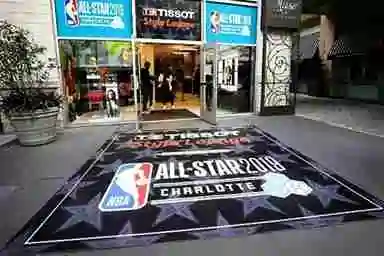
Used at storefronts, events, and public spaces, large‑format printing helps teams create marketing that connects and converts.
At Albert Basse Associates we design custom print solutions across industries to meet visual communication goals with precision and consistency.
How Large‑Scale Graphics Boost Brand Visibility
Bold color, clear messaging, and smart placement increase visibility. Installed in high‑traffic locations, a banner or wall graphic can drive foot traffic and create memorable brand moments. Retailers use oversized visuals to spotlight promotions or new collections—tactics that regularly lift engagement and sales when executed well.
Custom Wide‑Format Applications That Deliver Maximum Impact
Wide‑format printing adapts to many channels. The highest‑impact applications include retail displays, trade‑show graphics, and environmental graphics—each tailored to its environment and audience to maximize visibility and engagement.
- Retail Displays: Point‑of‑sale and window graphics that drive purchases.
- Trade Show Graphics: Bold backdrops and booth systems that stand out.
Using Retail Displays and Trade‑Show Graphics Effectively
Effective displays combine color, hierarchy, and legibility to guide behavior and communicate at a glance. Well‑designed trade‑show booths increase foot traffic, improve lead quality, and produce more meaningful conversations and follow‑ups.
Why Environmental Graphics Work
Environmental graphics turn interiors and exteriors into branded spaces that improve customer experience and wayfinding. Thoughtful execution raises recognition and deepens engagement over time.
Technologies and Materials Behind Professional Large‑Format Printing
Equipment and materials determine final quality. Modern shops combine advanced printers with the right substrates and finishing to deliver color fidelity, durability, and impact. Material choices—including eco‑friendly options—also affect longevity and environmental footprint.
- Types of Printers: Inkjet (solvent, eco‑solvent, latex) and UV printers offer different balances of color, durability, and substrate flexibility.
- Materials Used: Vinyl, fabric, foamboard, and specialty papers influence finish, outdoor performance, and installation.
- Sustainability Options: Low‑VOC inks, soy‑based formulations, recycled substrates, and recyclable materials reduce environmental impact without sacrificing quality.
Eco‑Friendly Substrates and Sustainable Inks We Recommend
Many projects now specify recycled or recyclable substrates and low‑VOC or vegetable‑based inks to lower environmental impact. Options like recycled paper, biodegradable films, and soy‑based inks deliver vibrant results while supporting sustainability goals and resonating with eco‑minded customers.
How Digital and Screen Printing Maintain Quality
Digital printing provides fast turnarounds and high‑resolution output, ideal for short runs and variable content. Screen printing offers saturated color and durability for larger volumes and specialty substrates. Both require strict color management and quality control to match proofs and perform in the field.
How Albert Basse Associates Delivers Superior Large‑Format Printing
With roots back to 1928, Albert Basse Associates combines decades of experience with modern equipment and a proprietary order‑management system to keep projects on schedule and clients informed. Craft, technology, and process together support consistent delivery for demanding commercial work.
- Experience and Expertise: A long history paired with contemporary capabilities to handle complex printing needs.
- Proprietary Systems: Order‑management tools that provide real‑time tracking and streamlined communication.
- Client Success Stories: Case studies that show measurable visual impact across retail, trade shows, fleet, and built environments.
Our Proprietary Order‑Management System: What It Does
Our system centralizes proofs, schedules, and status updates so clients can track progress and communicate changes quickly. The result is clearer timelines, fewer revisions, and smoother deliveries that meet specifications and deadlines.
Case Studies: Proof of Visual Impact
Case studies from Albert Basse Associates illustrate how strategic large‑format work drives engagement and sales across industries, with client feedback that highlights the value of high‑quality visual communications.
| Application | Description | Impact |
|---|---|---|
| Retail Displays | Point‑of‑sale and window graphics that convert browsers into buyers | Increased foot traffic and higher conversion rates |
| Trade Show Graphics | Distinctive booth visuals and backdrops that command attention | Stronger brand recognition and more qualified leads |
Frequently Asked Questions
Which businesses benefit most from large‑format printing?
Any organization that needs to be seen benefits: retailers, hospitality brands, event producers, real‑estate firms, and fleets. Common uses include storefront merchandising, event backdrops, and signage.
How can businesses measure the effectiveness of their large‑format printing campaigns?
Use practical KPIs: foot‑traffic counts, sales lift, lead volume and quality, tracked promo codes, customer surveys, and social listening tied to physical assets.
What are the common mistakes to avoid in large‑format printing projects?
Avoid low‑resolution artwork, ignoring trim and bleed, choosing the wrong substrate, and skipping physical proofs. Work closely with your printer, confirm scale and placement early, and review a production proof before full runs.
What is the typical turnaround time for large‑format printing projects?
Turnaround depends on complexity, materials, and quantity. Many standard projects finish in a few days to a week; larger or more complex jobs require longer lead times. Rush services are often available—confirm deadlines during planning.
Are there specific design software recommended for creating large‑format prints?
Industry standards include Adobe Illustrator and InDesign; CorelDRAW is common for vector layouts. For simpler assets, tools like Canva can work—ensure files export at the resolution and formats your printer requires.
How can businesses ensure their large‑format prints are environmentally friendly?
Choose recycled or recyclable substrates, low‑VOC or vegetable‑based inks, and printers with sustainable certifications. Specify lower‑impact materials and work with providers who minimize waste and use energy‑efficient equipment.
Conclusion
Large‑format printing remains a powerful way to elevate brand presence and influence customer behavior. With the right applications, material choices, and production processes, companies can achieve memorable, measurable results. Albert Basse Associates can help turn visual strategy into consistent, high‑impact outcomes.