Custom Fast-Food Signs: Practical QSR Branding and Guest-Engagement Solutions

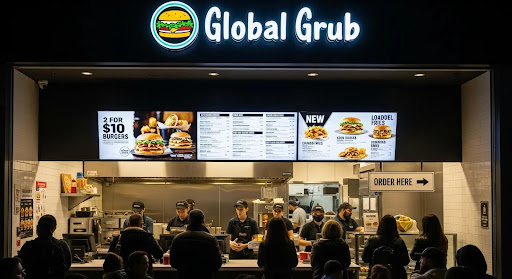
In today’s fast-paced quick‑service restaurant (QSR) market, smart visual communication separates you from the pack. Custom fast food signs from Albert Basse Associates (ABA) draw attention, reinforce your brand, and make every customer interaction smoother. This guide walks through the core sign types, the benefits each brings, and practical ways to deploy them — from digital menu boards and drive‑thru systems to exterior signage and point‑of‑purchase displays that influence decisions at the counter.
Essential Types of Custom Fast‑Food Signs
Fast‑food signage covers a range of solutions built to boost visibility and improve the guest experience. Each type serves a clear role in communicating your brand and menu. Core categories include:
- Digital Menu Boards: Flexible, eye‑catching screens for real‑time updates and promotions.
- Drive‑Thru Signs: Wayfinding and order displays that speed throughput and reduce errors.
- Outdoor Signage: Pylon signs, channel letters, and window graphics that attract customers from the street.
- Point‑of‑Purchase (POP) Displays: Interior merchandising that nudges impulse buys at checkout.
Knowing these sign types helps QSR operators choose the right mix to support sales, operations, and brand presence.
Which Signs Lift Brand Visibility and Guest Experience?
Certain sign formats do more than label — they invite and guide. Digital menu boards create a dynamic, informative ordering moment. Well‑designed drive‑thru signage reduces uncertainty and speeds service. And strong outdoor elements — like tall pylons or bold window graphics — keep your location visible and memorable to passing customers.
How Do Digital Menu Boards and Drive‑Thru Signs Improve Operations?
Digital menu boards let you change offers instantly, spotlight higher‑margin items, and run timely promotions without physical updates. Drive‑thru signage clarifies each step of the ordering flow, trimming wait times and lowering error rates. Together they make service faster, simpler, and more profitable.
How Digital Menu Boards Change Fast‑Food Presentation
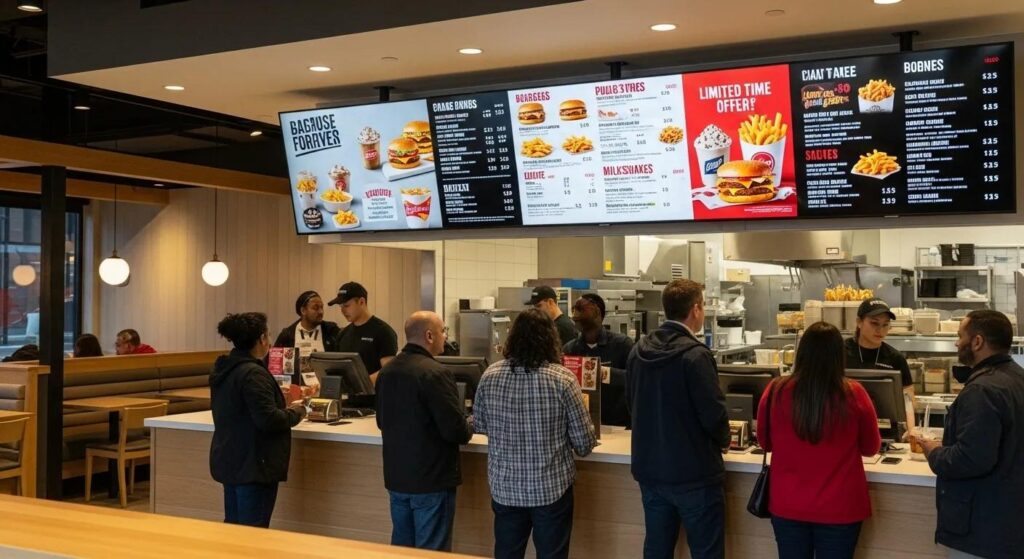
Digital menu boards have shifted how restaurants display offerings. Beyond menus, they deliver motion, appetizing imagery, and short video that guide choices and lift perceived value — turning a static list into an experience that supports upsells and faster decisions.
Benefits of Dynamic Digital Menu Boards for QSRs
Dynamic digital menu boards deliver measurable advantages:
- Higher Average Ticket: Promote high‑margin items and limited‑time offers to increase impulse buys.
- Better Guest Experience: Crisp visuals and clear layout help guests decide faster and with confidence.
- Operational Agility: Update prices, items, and promotions instantly across locations from a central CMS.
Research shows video and moving content on digital menus can noticeably influence consumer choices.
Dynamic Digital Menu Boards & Consumer Behavior
A focused look at how dynamic digital menus — and especially video content — affect consumer decision making and display configuration choices.
The role of dynamic digital menu boards in consumer decision making, A Peters, 2011
Which Technologies Make Digital Menu Boards Effective?
Effective digital menus combine hardware and software that keep content timely and legible. Key components are:
- Content Management Systems: Centralized tools for scheduling, targeting, and instant updates.
- Display Technologies: High‑resolution panels and bright LEDs for visibility in varied light.
- POS Integration: Real‑time sync with ordering systems so what guests see matches what staff prepare.
Best Practices for Fast‑Food Drive‑Thru Signage
Drive‑thru signage affects speed, accuracy, and perception. Follow practical guidelines to get the most from these touchpoints.
- Readable at Distance: Use clear type, sufficient contrast, and the right font sizes so messages register quickly.
- Strategic Placement: Place signs where decisions are made — entry, order point, and pickup — to keep traffic moving.
- On‑Brand Design: Keep colors, tone, and graphics consistent with your identity for a cohesive guest experience.
How Drive‑Thru Signage Improves Flow and Order Accuracy
Clarity reduces hesitation. When signs communicate expectations and confirm orders, drive‑thru lanes move faster and mistakes drop. Restaurants that optimize signage typically see smoother throughput and higher customer satisfaction.
Adding digital layers — and, where useful, AI‑driven recommendations — can further refine the drive‑thru experience and boost operational performance.
Elevating the Drive‑Thru with Digital Signage
Digital signage can build anticipation and better address customer needs. When paired with intelligent systems, it can also tailor promotions and streamline the ordering journey.
THREE WAYS TO ELEVATE THE DRIVE‑THRU EXPERIENCE WITH DIGITAL SIGNAGE: As the restaurant industry continues to rebound from the pandemic, enticing…, 2024
Key Components of a Drive‑Thru Signage System
Core elements that make a drive‑thru work:
- Order Confirmation Screens: Let customers verify their order before payment to cut errors.
- Directional Signs: Clear lane markers and prompts that reduce hesitation and speed flow.
- Promotional Displays: Timely offers that increase add‑on purchases while guests wait.
How Outdoor Signage Strengthens QSR Brand Identity
Outdoor signage is often the very first brand interaction a customer has. Thoughtful exterior design — from a strong pylon to compelling window art — makes your location easier to find and helps shape expectations before guests step inside.
Studies back up the idea that well‑designed outdoor signage influences where people choose to dine and how authentic a restaurant appears.
Outdoor Signage and Diner Attraction
Research shows that typographic and visual design of exterior signs affects diners’ perceptions of authenticity and their willingness to visit a restaurant.
Typographic design of outdoor signage, restaurant authenticity, and consumers’ willingness to dine: extending semiotic theory, H Song, 2023
Materials and Lighting for Durable Outdoor Signs
Choose materials and illumination that stand up to weather and keep your brand visible after dark. Options like acrylic, aluminum, and HDU provide durability, while LEDs offer bright, energy‑efficient lighting.
How Pylons, Channel Letters, and Window Graphics Support Branding
Each exterior format has a distinct purpose:
- Pylon Signs: Tall and visible from a distance — great for capturing highway or street traffic.
- Channel Letters: Individually lit letters that give a clean, modern brand presentation.
- Window Graphics: Flexible, high‑impact surfaces for promotions and seasonal storytelling.
POP Displays and Interior Graphics: Influence Where It Matters
Point‑of‑purchase displays and interior graphics shape the in‑store atmosphere and guide choices. They can reinforce brand story, highlight new items, and increase dwell time.
How POP Displays Affect Customer Decisions
Strategically placed POP displays draw attention to specials and new launches, often leading to higher impulse purchases and a measurable sales lift when executed correctly.
Which Interior Graphics Improve the Dining Environment?
Interior graphics should support your brand and make the space feel inviting. Think wall murals, clear menu boards, and themed décor that align with your concept and make ordering simple.
Why Compliance and Wayfinding Matter for Fast‑Food Sites
Compliance and wayfinding signs keep your restaurant safe and accessible. They communicate rules, guide traffic, and ensure guests of all abilities can navigate the space comfortably.
Requirements for ADA‑Compliant and Safety Signage
ADA signage needs correct type sizes, contrast, and tactile elements to serve visually impaired guests. Safety signs must meet local codes and clearly mark exits, routes, and hazard information.
How Wayfinding Improves Navigation and Experience
Good wayfinding reduces confusion and frustration. Clear directional cues, labeled zones, and consistent visual language help guests move through ordering, pickup, and dining with confidence.
| Sign Type | Purpose | Key Features |
|---|---|---|
| Digital Menu Boards | Show menus and promotions | Real‑time updates, dynamic visuals |
| Drive‑Thru Signs | Guide customers through the lane | Clear instructions, strategic placement |
| Outdoor Signage | Draw foot and vehicle traffic | Pylon signs, channel letters, window graphics |
This quick reference summarizes primary sign types, their uses, and defining features — a helpful checklist when planning a signage program for any QSR.
Custom fast‑food signs are a practical investment in visibility, guest experience, and sales. By choosing the right mix of digital, exterior, and in‑store displays — and following proven design principles — restaurants can attract more guests and build stronger loyalty.
Frequently Asked Questions
What should I consider when designing custom fast‑food signs?
Focus first on legibility and where the sign will be seen. Align design choices with your brand (colors, fonts, tone), place signs at critical decision points, and consider dynamic elements like digital displays for flexibility. Don’t forget local codes and accessibility requirements.
How can restaurants measure sign effectiveness?
Track sales and foot traffic before and after sign changes, run short A/B tests where possible, and collect guest feedback. For digital systems, use analytics—engagement rates and interaction data reveal what’s working.
What costs are involved in custom fast‑food signage?
Costs vary by type and scale. Digital installations carry higher upfront expenses for hardware and software but offer lower update costs over time. Traditional signs are often cheaper initially but may need frequent replacements. Include installation and ongoing maintenance in your budget.
How often should signs be updated?
Digital signs can change whenever you need — ideal for promos and price updates. Static signs typically refresh seasonally or when branding changes. Use performance data and guest feedback to decide the optimal cadence.
Does color psychology matter for fast‑food signage?
Yes. Color influences attention and appetite — warm tones like red and yellow often boost visibility and energy, while cooler hues convey calm. Choose colors that support your brand and the emotional response you want to evoke.
Can signs support marketing campaigns?
Absolutely. Signs are prime real‑estate for promotions, seasonal campaigns, and cross‑channel calls to action. Digital signage is especially useful for rotating offers and syncing in‑store messages with online promotions.
Conclusion
Well‑designed, correctly placed signage is a high‑impact tool for QSRs. From digital menus to exterior markers and POP displays, the right signage mix improves visibility, speeds service, and increases sales. Ready to see how tailored signage can sharpen your location’s presence? Explore our custom signage solutions today.